---
title: "💭 The Future of HTMX - YouTube"
description: "!https://www.youtube.com/watch?v=0rtpsJSLb44&t=624s"
date: 2025-01-13
published: true
tags:
- webdev
- thought
template: link
---
I like the charts that Theo brings to to these videos. Shout out for a positive k8s reference and not shitting on it.
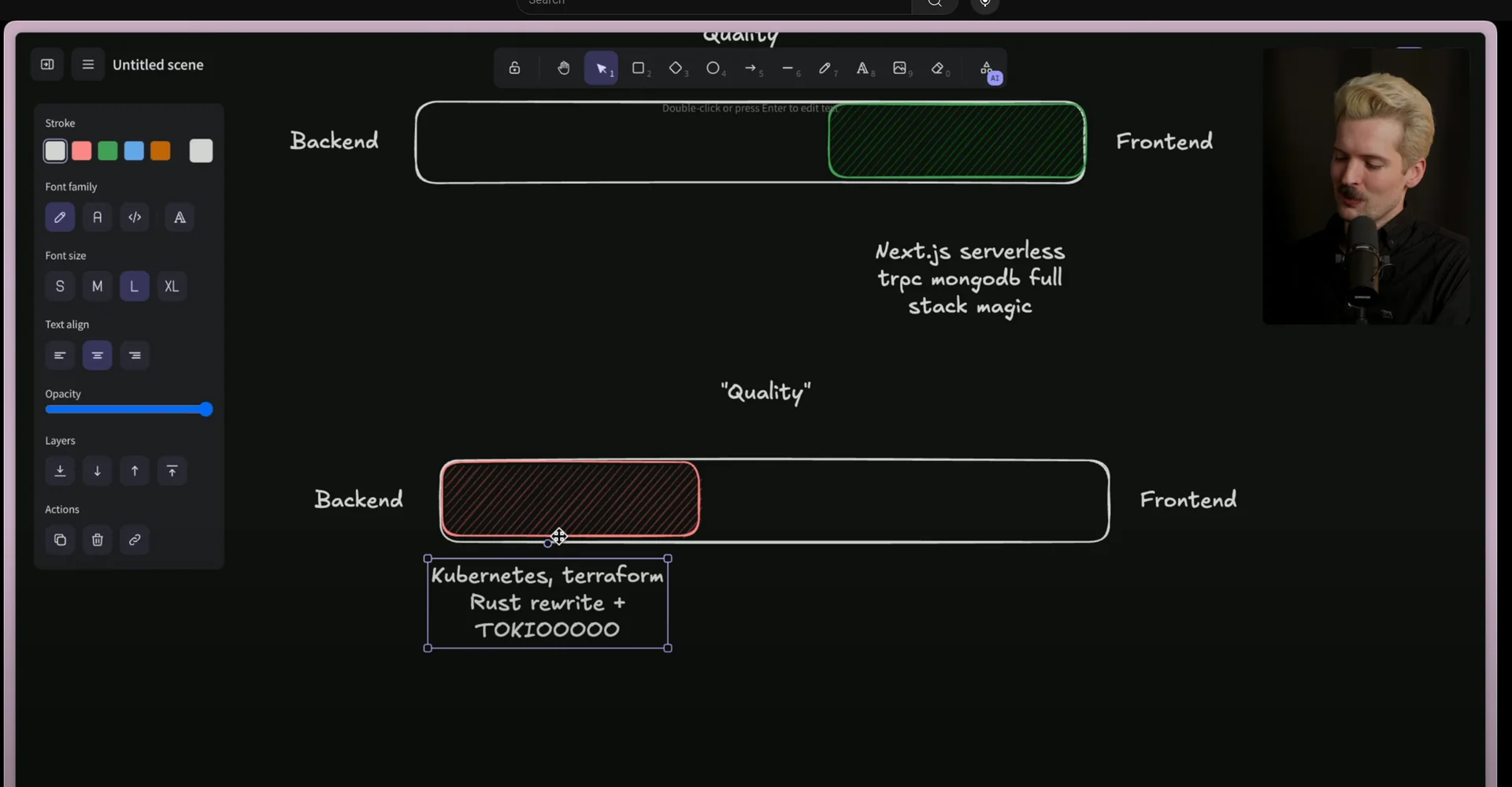
Htmx brings html/css just a bit further down the complexity graph with little to no extra effort, while react allows us to go all the way full complexity at the cost of build and dev complexity to go from zero to 100 as soon as its introduced.
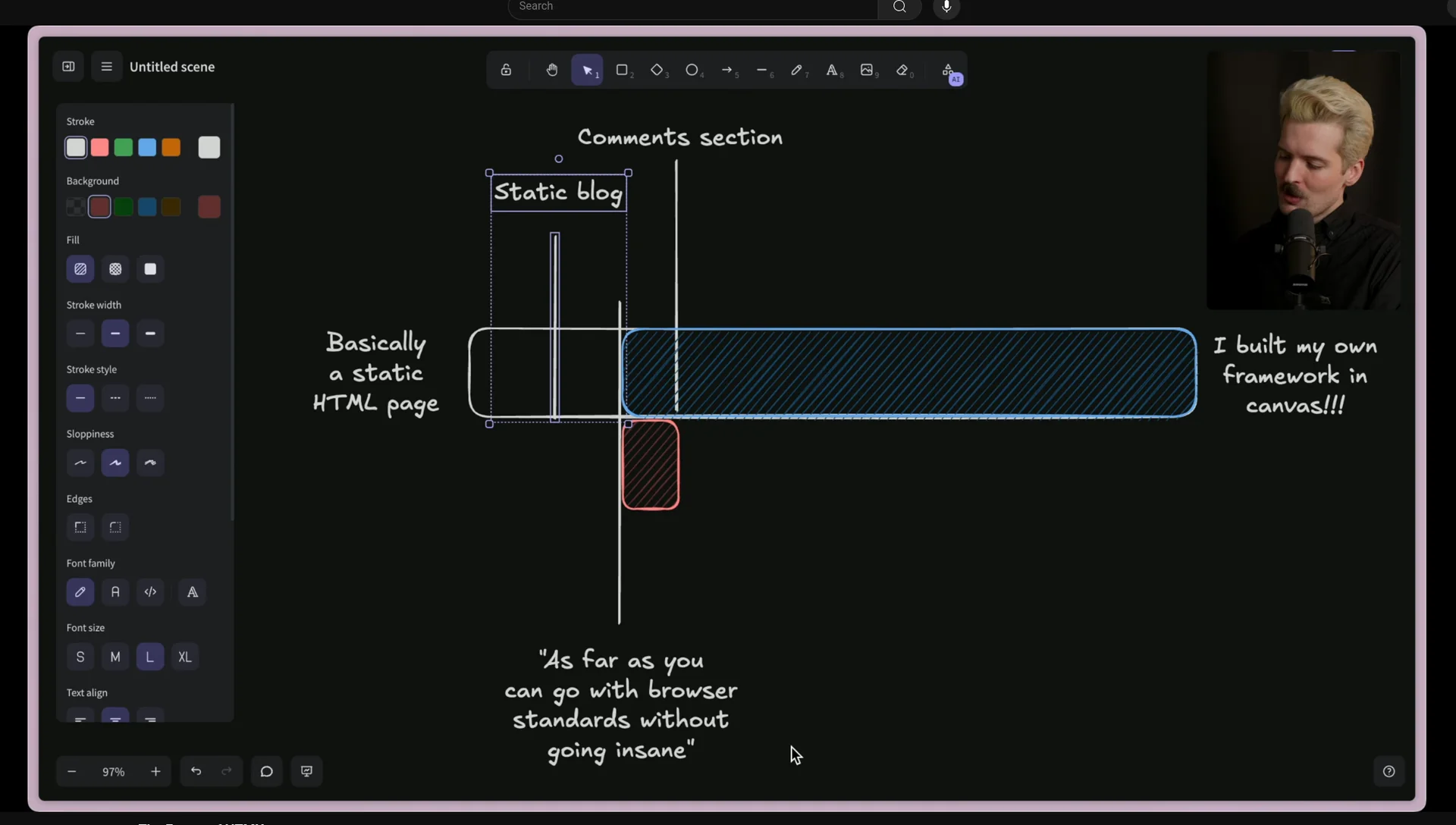
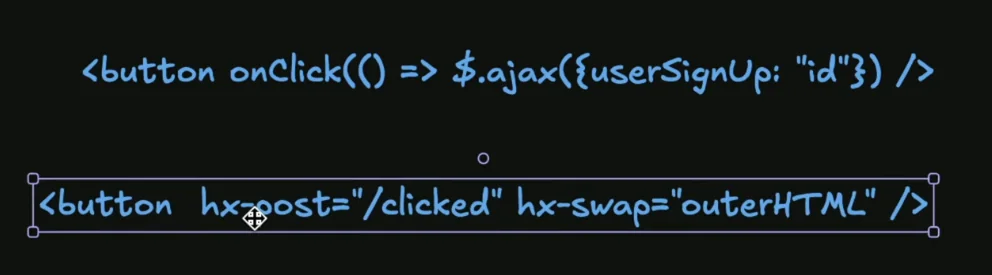
htmx brings us back to the ease of jquery ajax without any complex swapping or json parsing, all of the object parsing and html templating is done in the backend, the front end just tracks where to put it. HTMX couples the frontend and backend much tigher, since all of the front end html is generated in the backend, done correctly it is not possible for the front end to get out of sync and try to do things that the back end does not know how to handle, vice versa.
!!! note
This post is a thought. It's a short note that I make
about someone else's content online #thoughts